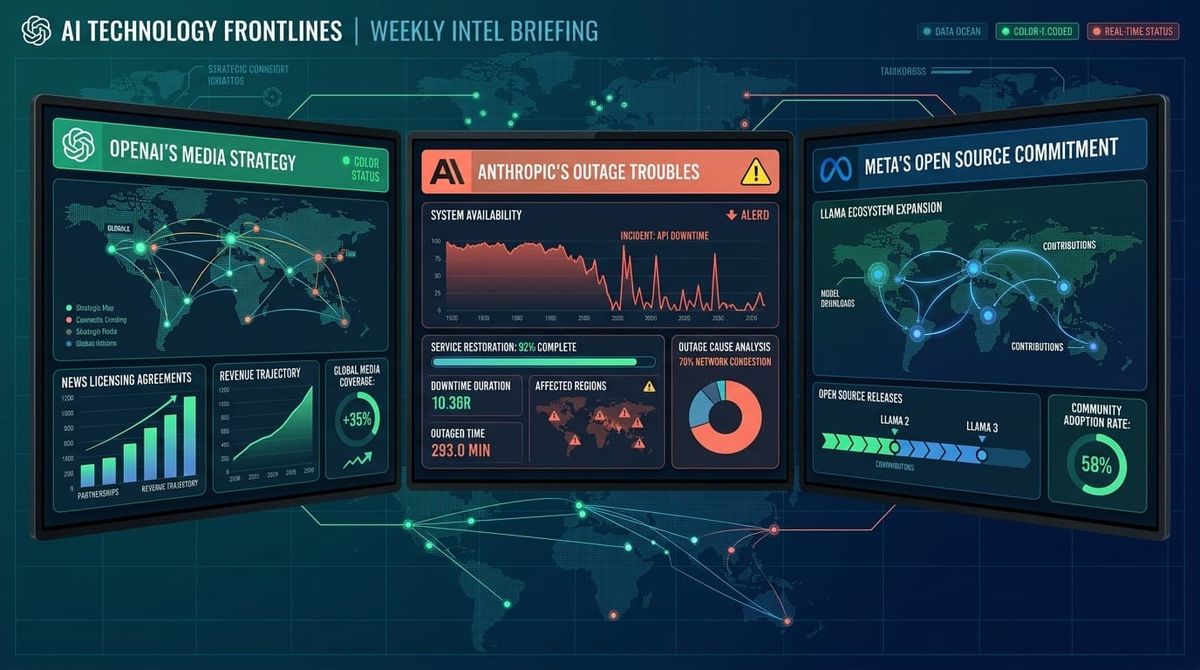
GenAI Daily - April 9, 2026: OpenAI's Media Strategy, Anthropic's Outage Troubles, Meta's Open Source Commitment
Top Stories
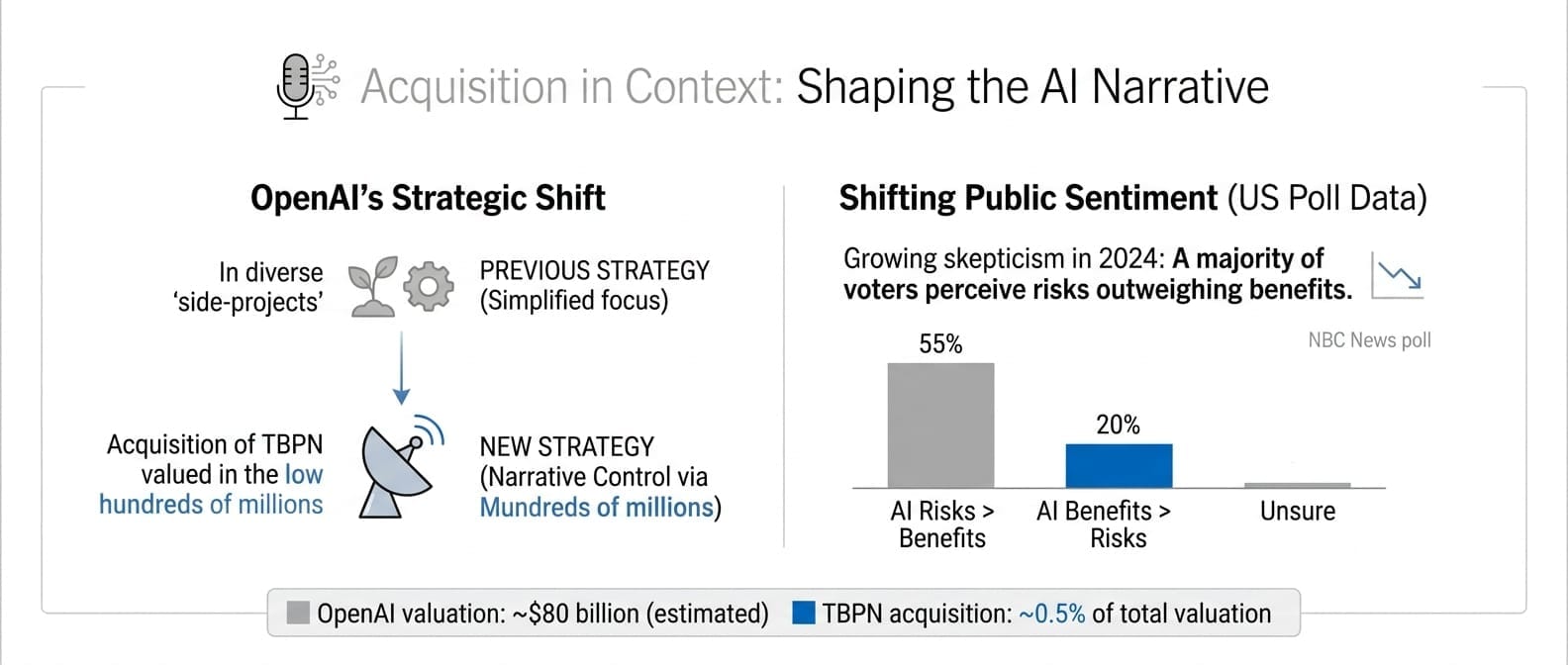
OpenAI Acquires Tech Talk Show TBPN Amid Narrative Control Concerns
OpenAI purchased the Technology Business Programming Network (TBPN), a Silicon Valley streaming talk show, with executive Fidji Simo stating the company wants to foster a "constructive conversation" about AI while describing the purchase as part of its communications strategy.
The deal is reportedly valued in the low hundreds of millions and represents OpenAI's effort to shape public perception after cutting back on "side quests."
The acquisition comes at a time of growing anxiety in the tech industry over public perception of artificial intelligence, with tech scholar Sara M. Watson noting that "popular opinion has shifted to say, 'We're actually quite skeptical of your claims.'"
An NBC News poll in March found a majority of American voters think the risks of AI outweigh its benefits.
Why it matters: This acquisition signals a new phase where AI companies are directly investing in media properties to control public narratives as skepticism grows.
Claude AI Suffers Second Major Outage in Two Days
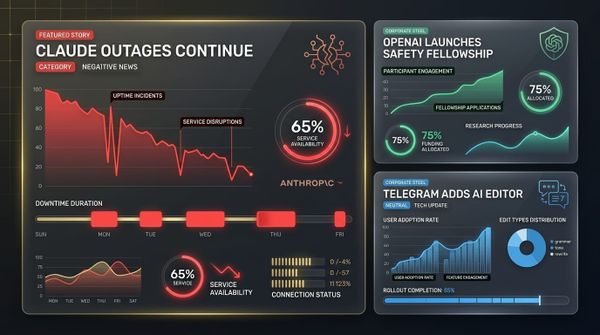
Claude AI is experiencing renewed connectivity issues on April 8, 2026, with hundreds of users reporting login failures and degraded performance less than 24 hours after resolving a "major outage" that disrupted service on April 7.
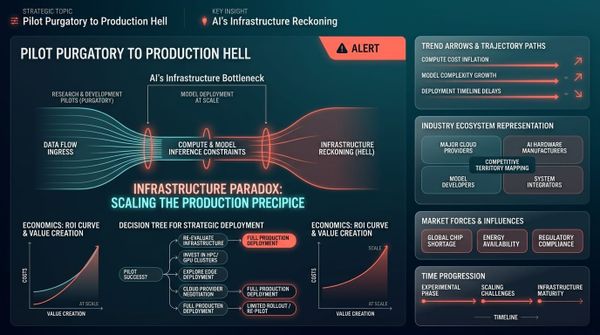
OpenAI's ChatGPT, Google's Gemini and other major chatbots have all experienced notable outages in 2026 as demand for generative AI strains data centers and cloud infrastructure worldwide.
The back-to-back problems highlight growing pains for one of the fastest-growing AI platforms as demand continues to surge, with Anthropic valued at tens of billions while Claude has become a daily tool for millions of developers, writers, students and professionals worldwide.
Why it matters: Infrastructure reliability becomes a competitive differentiator as AI services move from experimental to mission-critical enterprise applications.
Meta Commits to Open Source Strategy Under Alexandr Wang
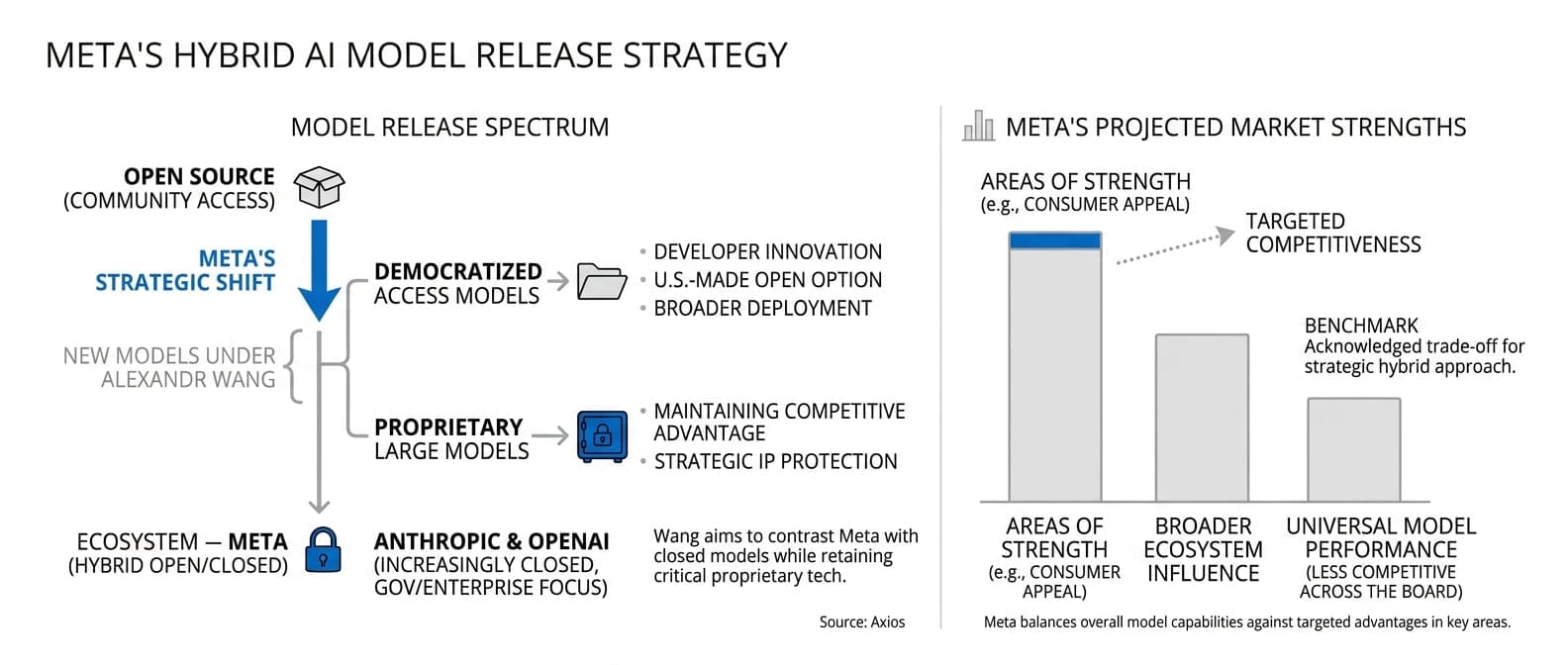
Meta is preparing to release the first new AI models developed under Alexandr Wang, with plans to eventually offer versions of those models via an open source license.
The move fits with Wang's view that Meta can be a force for democratizing access to the latest AI technology and ensuring there is a U.S.-made option that is open for developers, while he sees Anthropic and OpenAI as increasingly focused on delivering their models to governments and the enterprise.
However, Wang has indicated that some of its largest new models will remain proprietary - a shift toward a more hybrid strategy that maintains some competitive advantages.
Meta acknowledges its new models may not be competitive across the board with coming releases from OpenAI and Anthropic, but believes it will have areas of strength that appeal to consumers.
Why it matters: Meta's hybrid approach could reshape the competitive landscape by maintaining open source leadership while protecting key commercial advantages.
Key Developments
Elon Musk Seeks OpenAI Leadership Removal in Legal Filing
Elon Musk has sought the removal of OpenAI CEO Sam Altman and President Greg Brockman as part of his legal challenge to the AI firm's shift to a for-profit structure, with a court filing on Tuesday aiming to reverse OpenAI's restructuring and restore its status as a non-profit research organization.
OpenAI rejected the allegations, describing the lawsuit as a "harassment campaign" driven by "ego and jealousy," while the company's Chief Strategy Officer Jason Kwon urged attorneys general in California and Delaware to investigate Musk for alleged anti-competitive behavior.
Impact: The escalating legal battle could disrupt OpenAI's IPO plans and force disclosure of internal communications during the company's nonprofit-to-profit transition.
Enterprise AI Control Plane Becomes Infrastructure Priority
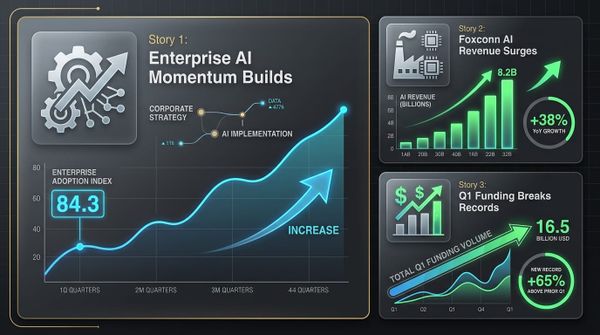
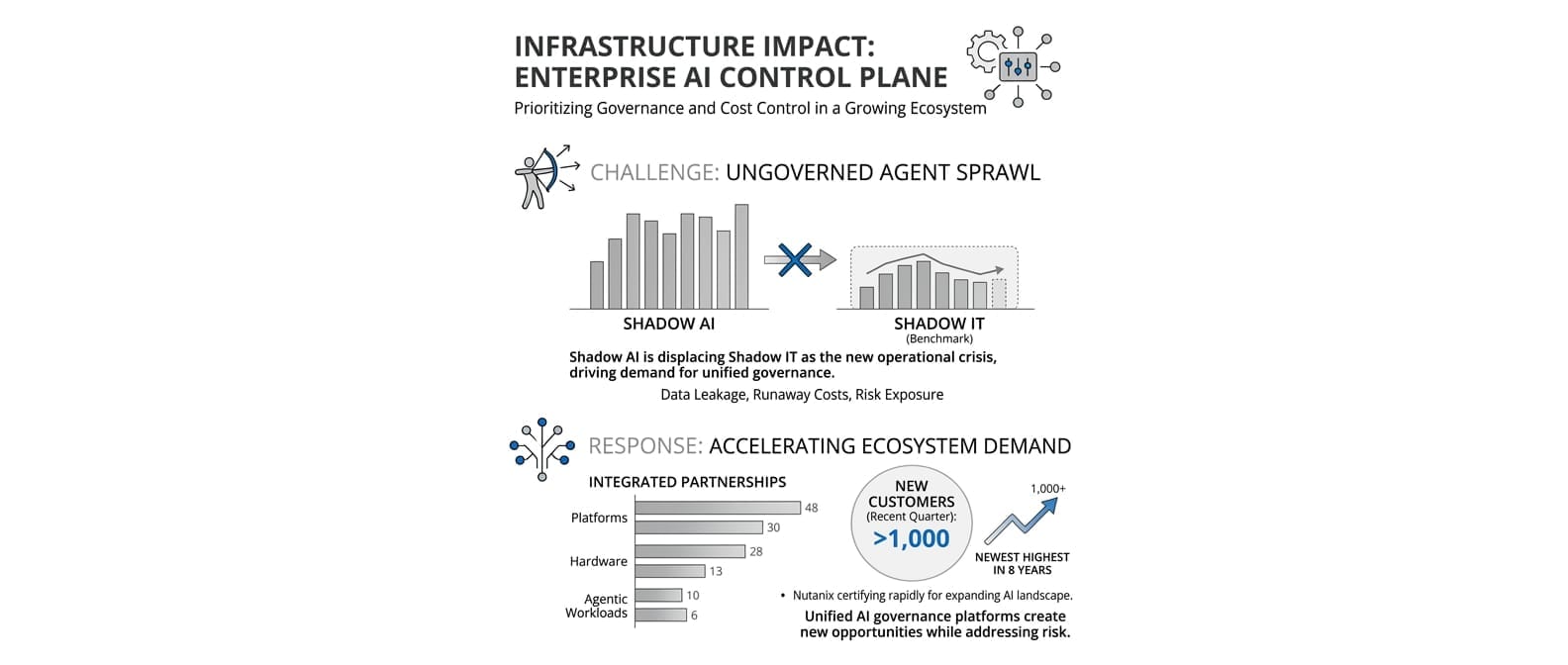
With shadow AI displacing shadow IT as the defining governance crisis of the decade, enterprises face a new operational imperative: establish a unified enterprise AI control plane or expose the business to ungoverned agent sprawl, data leakage and runaway costs.
Enterprise AI is accelerating demand for tightly integrated ecosystem partnerships as organizations confront a rapidly expanding landscape of platforms, hardware choices and agentic workloads.
Nutanix added more than 1,000 new customers in its most recent quarter - the highest number in eight years - and is racing to keep up with certification demand, reflecting how rapidly the AI ecosystem is expanding.
Impact: The race to provide unified AI governance platforms creates new opportunities for infrastructure companies while addressing enterprise risk concerns.
AI Security Startup Funding Surge Continues
Trent AI raises $13m to secure AI agents and autonomous workflows, building the foundations of agentic security.
Cyberhill Partners secures up to $11m from Baleon Capital to scale its enterprise AI Factory.
Nexus, a startup building enterprise AI agents, has raised $4.3 million in seed funding led by General Catalyst with participation from Y Combinator and other investors to accelerate adoption of agent-based AI in business operations.
Fintech Global | Fintech Global | AI Insider
Impact: Security-focused AI startups are capitalizing on enterprise concerns about agent sprawl and autonomous system governance.
Funding & Deals
Runware Raises $50M Series A for AI Model Optimization
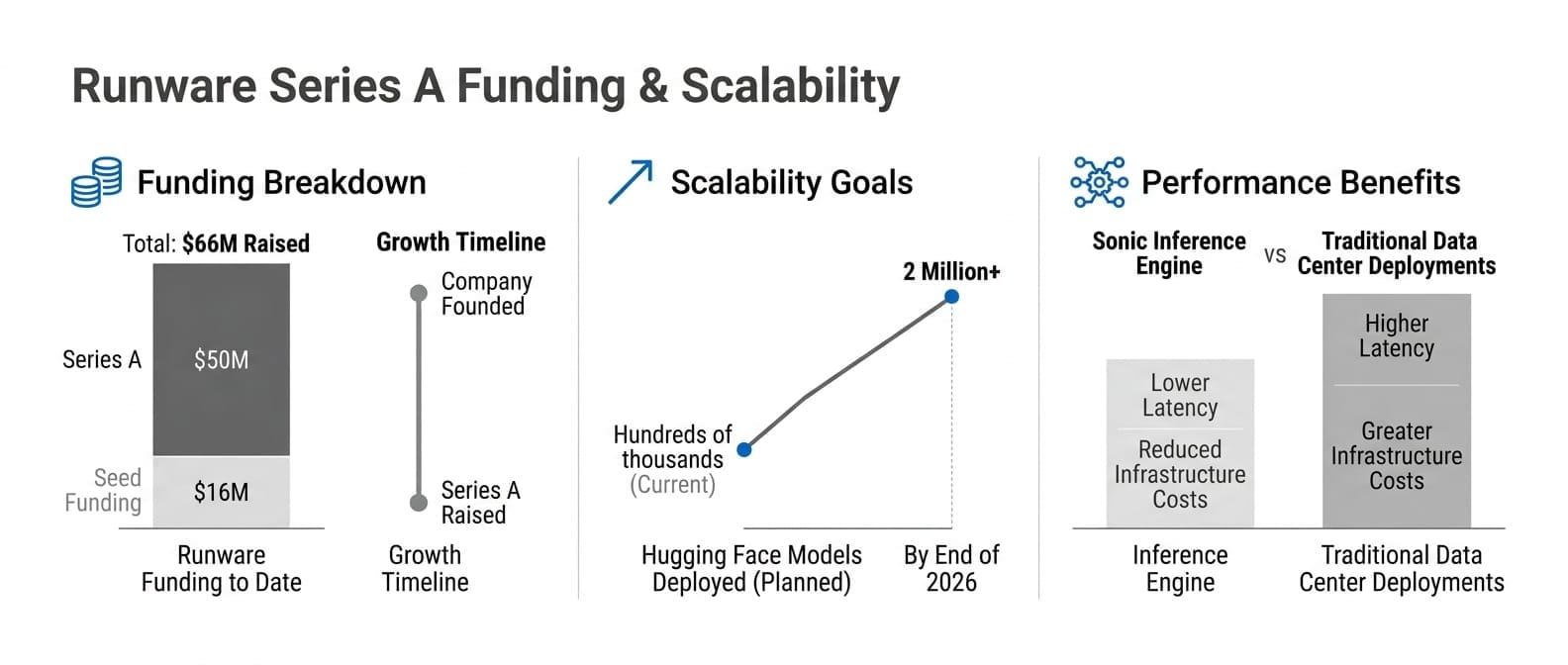
Runware announced $50 million in Series A funding to scale its "Sonic Inference Engine," which optimizes generative AI performance and provides a single API that aggregates hundreds of thousands of AI models, offering significantly faster speeds and lower costs compared to traditional data center deployments. With a total of $66 million raised to date, Runware plans to expand its platform and deploy over two million models from Hugging Face by the end of 2026.
Oboe Secures $16M for AI Learning Platform
Oboe secured $16 million in funding to accelerate the development of its AI-driven learning platform that allows users to generate comprehensive, personalized courses on any topic in seconds. By automating the curriculum design process, Oboe aims to make structured education more accessible and tailored to individual needs.
Suno Reaches $2.45B Valuation Despite Copyright Lawsuits
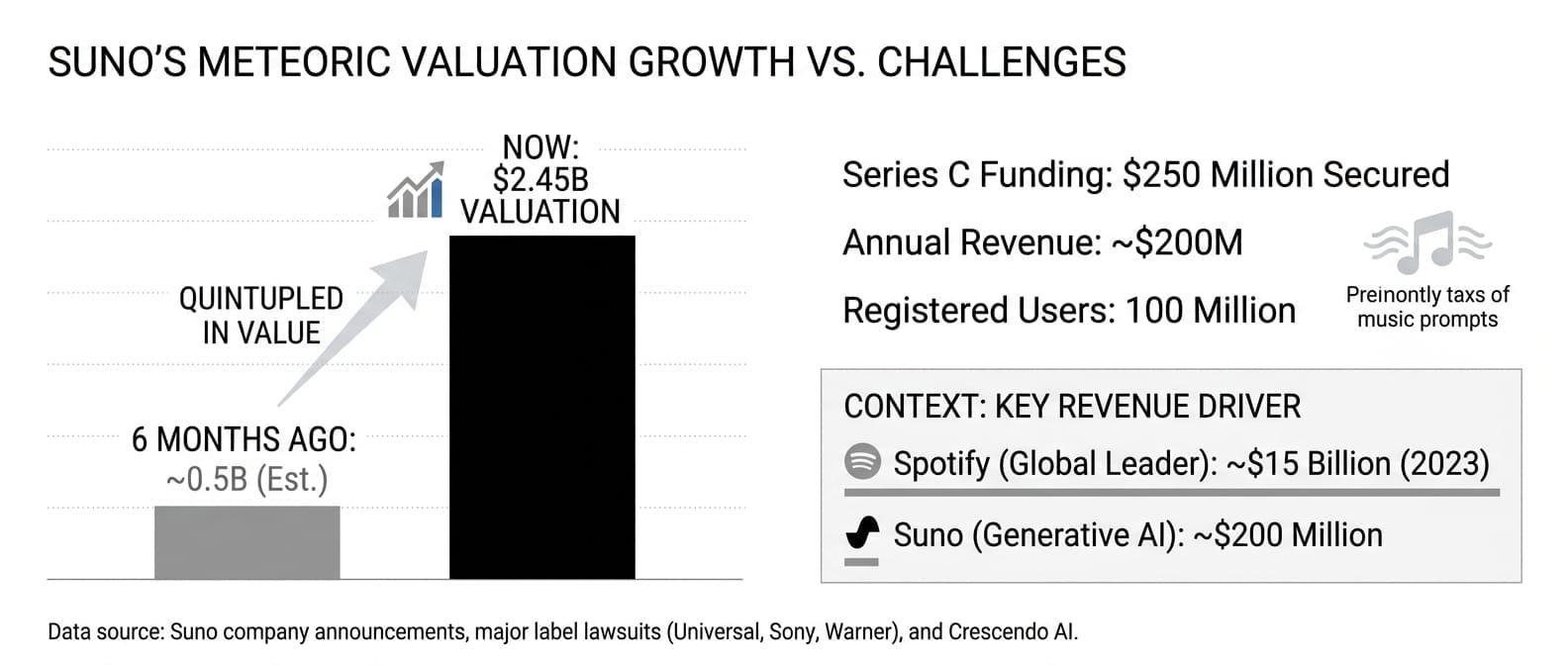
Suno secured $250 million in Series C funding, bringing its valuation to $2.45 billion - nearly quintupling its value in just six months. The raise comes despite high-profile copyright lawsuits from major record labels (Universal, Sony, and Warner), with investors betting on Suno's rapid growth as the startup has reached $200 million in annual revenue from its 100 million registered users who generate full songs from text prompts.
Product Launches
Google TurboQuant Algorithm Reduces AI Memory Overhead
Google's research team unveiled TurboQuant at ICLR 2026, an algorithm that significantly reduces the memory overhead caused by the KV cache, one of the biggest bottlenecks in running large AI models. Using a two-step process combining PolarQuant vector rotation and the Quantized Johnson-Lindenstrauss compression method, TurboQuant allows models with massive context windows to run far more efficiently and could accelerate the shift from raw parameter scaling to efficiency-first AI development.
Eli Lilly's LillyPod AI Supercomputer Launches
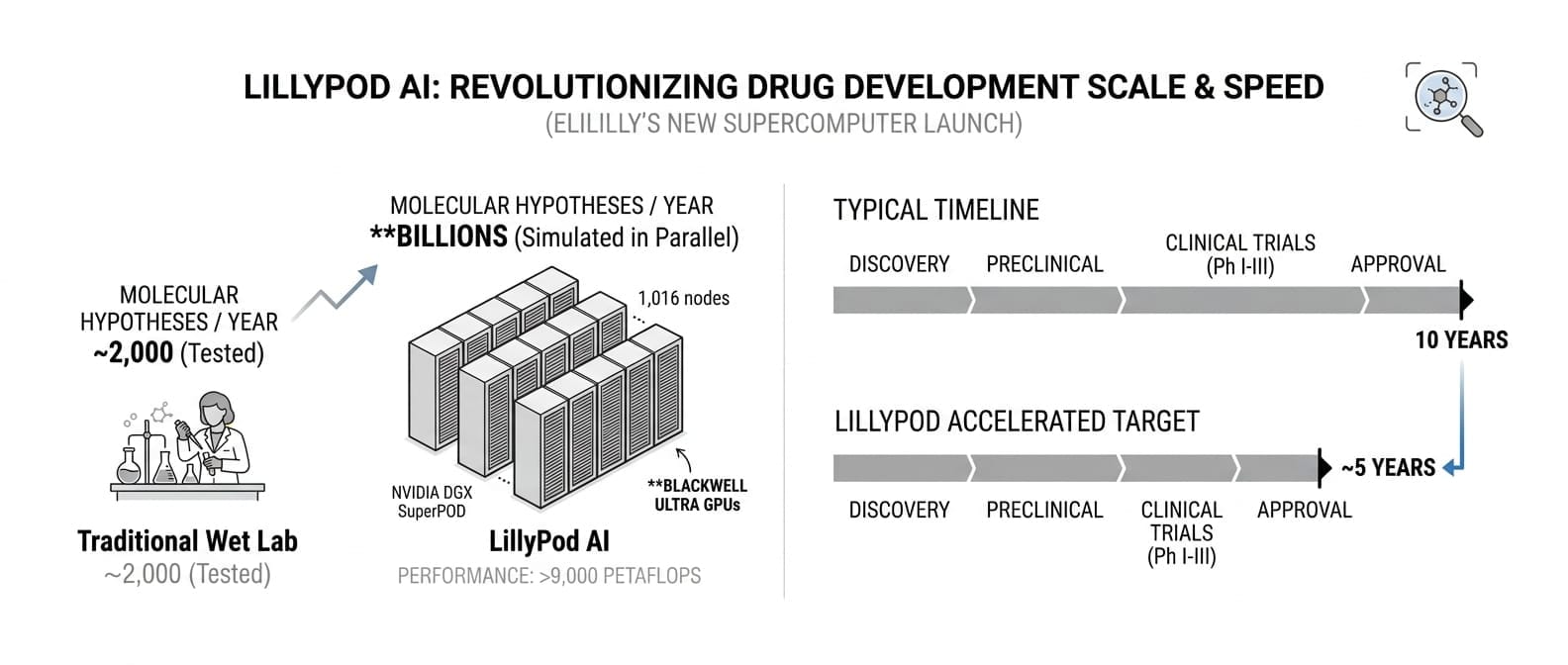
Eli Lilly inaugurated LillyPod, the pharmaceutical industry's most powerful AI supercomputer, built on an NVIDIA DGX SuperPOD with 1,016 Blackwell Ultra GPUs delivering over 9,000 petaflops of performance. Where traditional wet labs test roughly 2,000 molecular hypotheses per year, LillyPod can simulate billions in parallel, with Lilly aiming to use the system to cut the typical 10-year drug development timeline in half.
Anthropic Model Context Protocol Hits 97M Installs
Anthropic's Model Context Protocol crossed 97 million installs in March 2026, a milestone that signals its transition from an experimental standard to foundational infrastructure for building AI agents. Every major AI provider now ships MCP-compatible tooling, and the protocol has become the default mechanism by which agents connect to external tools, APIs, and data sources.
Related reading: Track the latest enterprise AI adoption patterns and infrastructure investments in this week's [Enterprise Technology Report] for strategic context on these developments.