GenAI Daily - March 25, 2026: Oracle's Massive Layoffs, Block's AI-Driven Cuts, Meta Acquires Dreamer Team
Top Stories
Oracle Plans Massive 20,000-30,000 Job Cuts to Fund AI Infrastructure
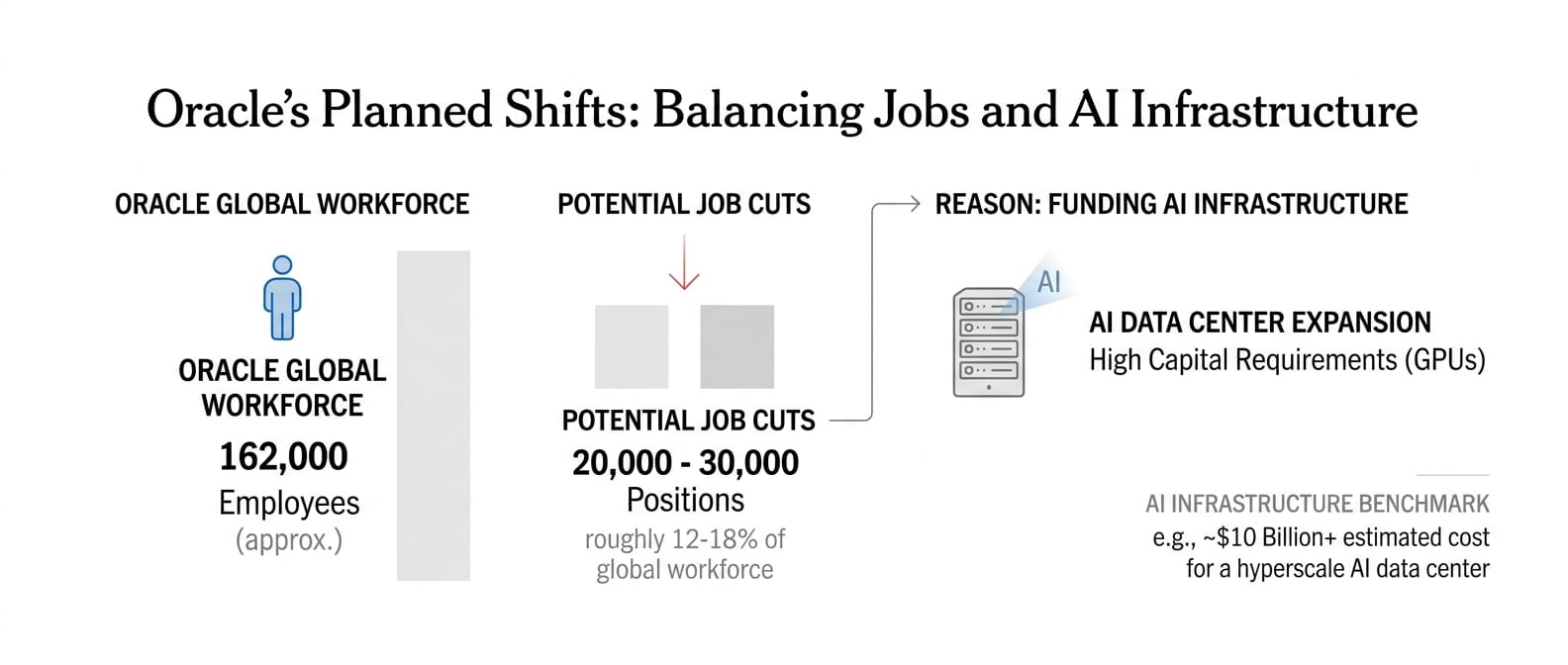
Oracle is planning to eliminate thousands of jobs as part of moves to handle a cash crunch from massive AI data center expansion, with cuts potentially affecting 20,000 to 30,000 positions - roughly 12-18% of its global workforce of 162,000 employees.
The company faces enormous capital requirements to build infrastructure for high-profile AI clients including a $156 billion OpenAI deal requiring 3 million GPUs over five years.
Why it matters: This represents one of the largest tech layoffs explicitly tied to AI infrastructure costs, highlighting the massive financial pressure on enterprise companies to compete in the AI data center race.
Block Eliminates 40% of Workforce, Citing AI Automation Directly
Block reduced its workforce from approximately 10,000 to fewer than 6,000 employees in early March 2026, representing the largest single workforce reduction explicitly attributed to AI automation in corporate history, with CEO Jack Dorsey stating "This is not driven by financial difficulty, but by the growing capability of AI tools to perform a wider range of tasks".
Why it matters: Block's unprecedented transparency about AI-driven job displacement signals a fundamental shift from automation as efficiency enhancement to direct human replacement.
Meta Acquires Dreamer AI Team in Latest Agent Push
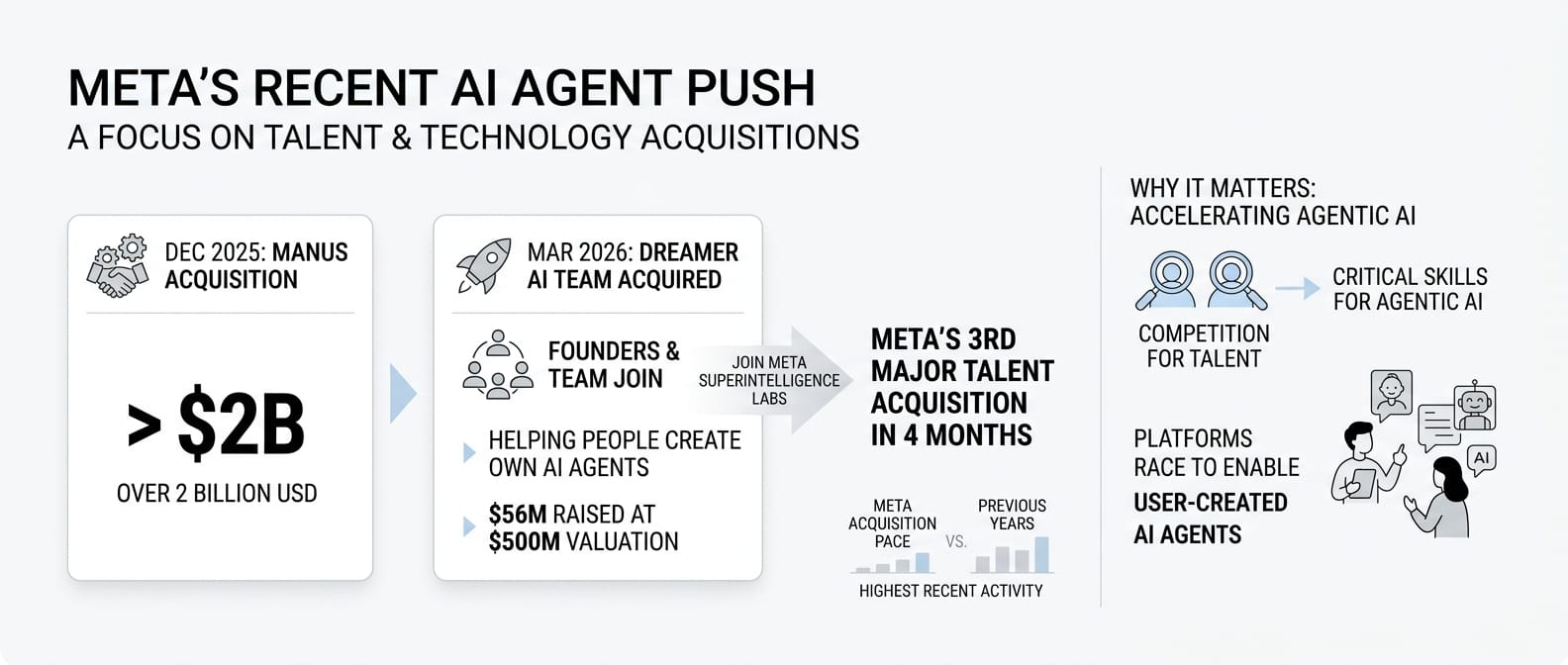
Meta has hired the founders and team behind artificial intelligence startup Dreamer, which launched earlier this year to help people create their own AI agents, with the team joining Meta Superintelligence Labs under Chief AI Officer Alexandr Wang.
Dreamer had previously raised $56 million at a $500 million valuation, following Meta's previous acquisition of Manus for more than $2 billion in December.
Why it matters: Meta's third major AI talent acquisition in four months demonstrates the fierce competition for agentic AI capabilities as platforms race to enable user-created AI agents.
Key Developments
OpenAI's Record Revenue Growth Signals Market Maturation
OpenAI has surpassed $25 billion in annualized revenue and is reportedly taking early steps toward a public listing, potentially as soon as late 2026, while rival Anthropic is approaching $19 billion in annualized revenue, signaling that the market for advanced AI models has rapidly become one of the fastest-growing sectors in technology.
Impact: The massive revenue scale validates enterprise AI adoption and sets the stage for public market participation in AI infrastructure companies.
NVIDIA Agent Toolkit Gains Major Enterprise Adoption
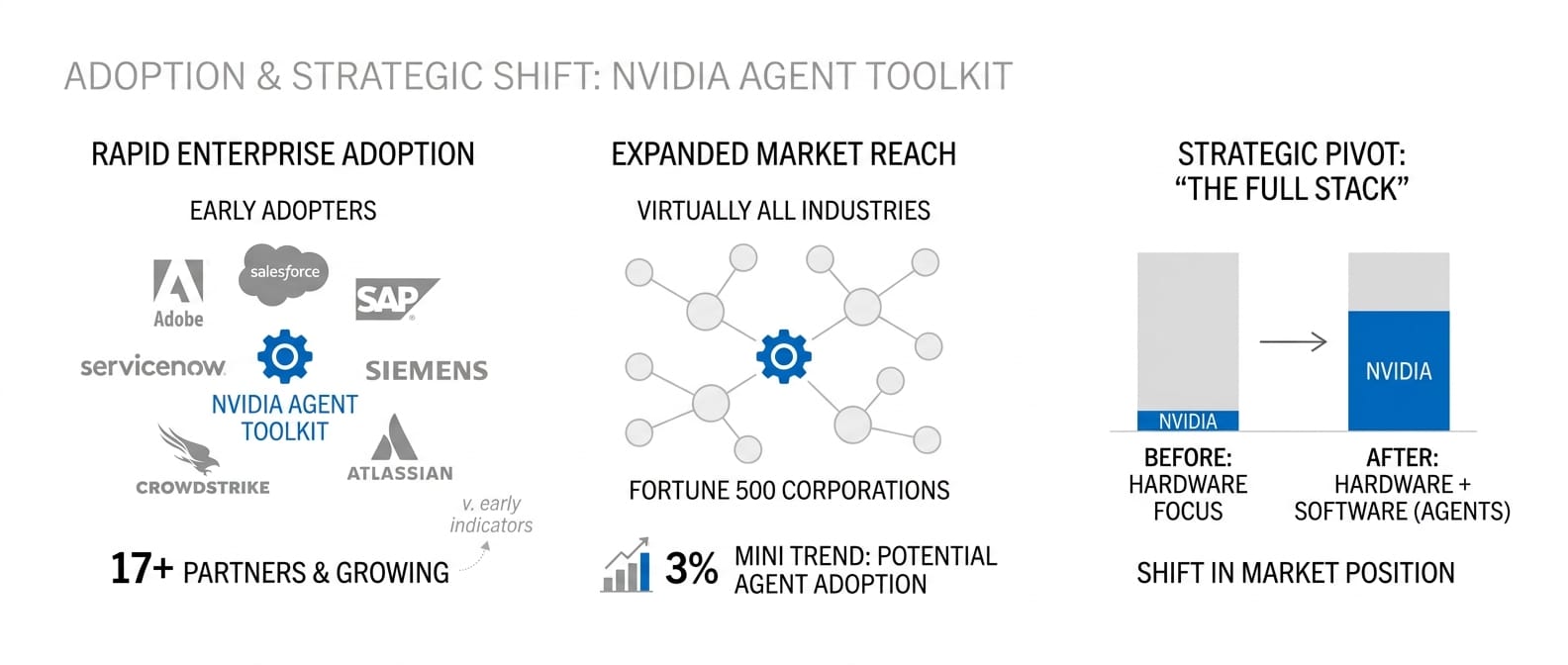
NVIDIA unveiled the Agent Toolkit with seventeen enterprise software companies agreeing to build their next generation of AI products on the shared foundation including Adobe, Salesforce, SAP, ServiceNow, Siemens, CrowdStrike, Atlassian, and others, touching virtually every industry and Fortune 500 corporation.
Impact: NVIDIA's platform approach could standardize enterprise AI agent development while strengthening its position beyond just hardware to the entire AI stack.
Google Launches Gemini 3.1 Flash-Lite for Cost-Efficiency Race
Google introduced Gemini 3.1 Flash-Lite delivering 2.5× faster response times and 45% faster output generation compared to earlier Gemini versions, priced at just $0.25 per million input tokens, reflecting a growing industry shift toward making powerful AI more affordable for startups and enterprises.
Impact: Aggressive pricing from major providers is democratizing access to frontier AI capabilities while intensifying margin pressure across the industry.
Anthropic Rolls Out Memory Features and Office Integration
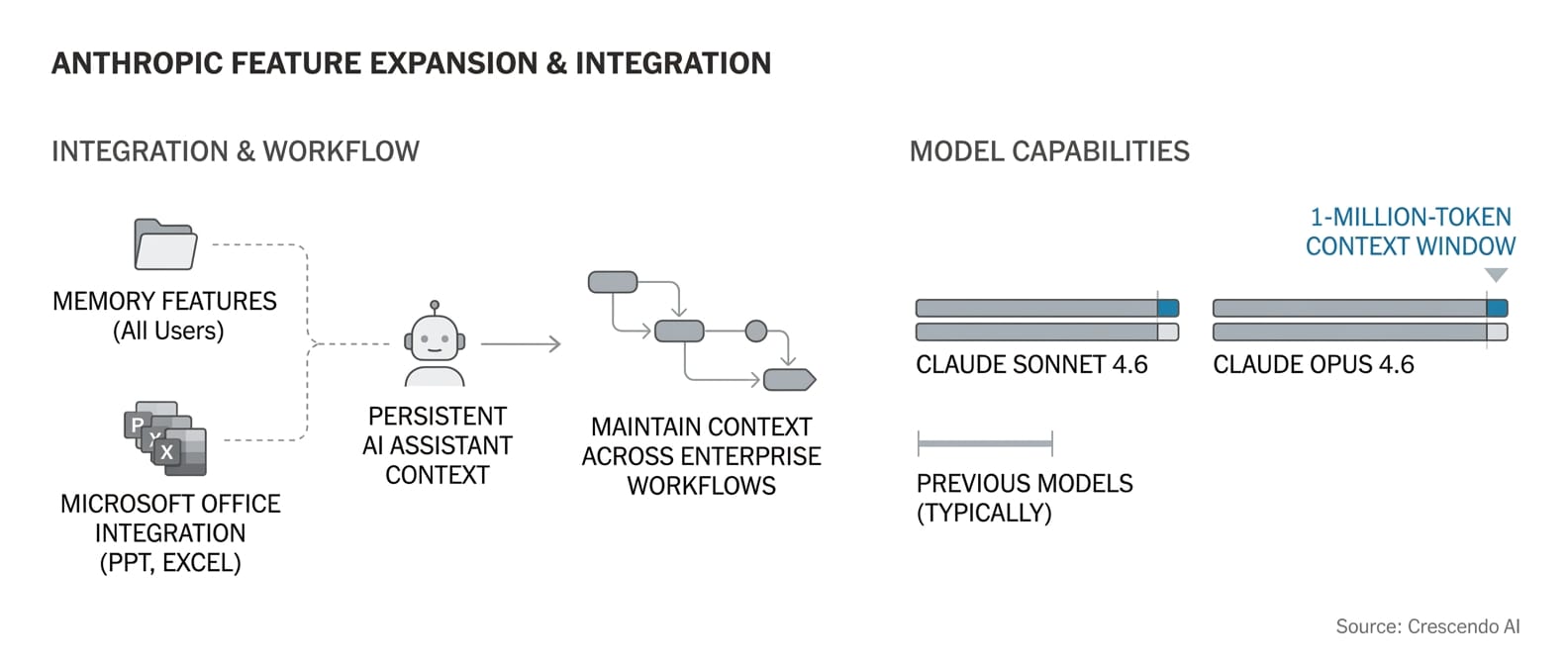
Anthropic rolled out memory features to all Claude users in early March, launched Claude Sonnet 4.6 and Opus 4.6 with 1-million-token context windows, and deployed Opus 4.6 as an add-in inside Microsoft PowerPoint and Excel, deepening integration into everyday enterprise workflows.
Impact: Memory capabilities and Office integration represent critical steps toward persistent AI assistants that can maintain context across enterprise workflows.
Product Launches
Snowflake Project SnowWork
Snowflake launched Project SnowWork in research preview, an autonomous enterprise AI platform designed to help business users accelerate workflows by bringing enterprise data platform capabilities directly to desktops through outcome-driven experiences that can plan and execute complex multi-step workflows.
OpenAI Desktop Super App
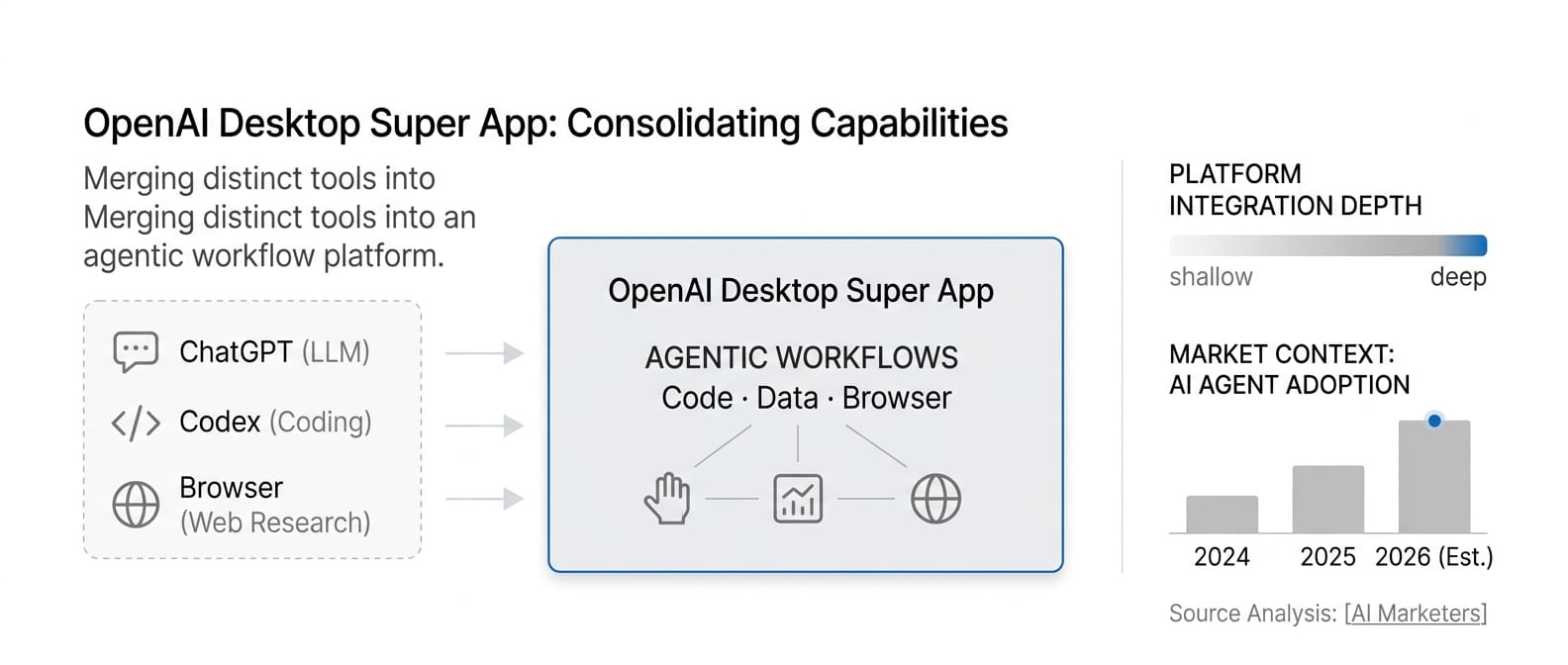
OpenAI is consolidating ChatGPT, the Codex coding platform, and the company's browser into a single desktop super app built around agentic task handling for writing code, analyzing data, and running workflows.
Supermicro AI Data Platform Solutions
Supermicro announced seven fully integrated AI Data Platform solutions designed to accelerate enterprise AI adoption, built on NVIDIA reference architectures and powered by NVIDIA RTX PRO 6000 Blackwell Server Edition GPUs and networking to enable advanced AI agents.
Funding & Deals
Oracle Considers $45-50 Billion Funding Raise
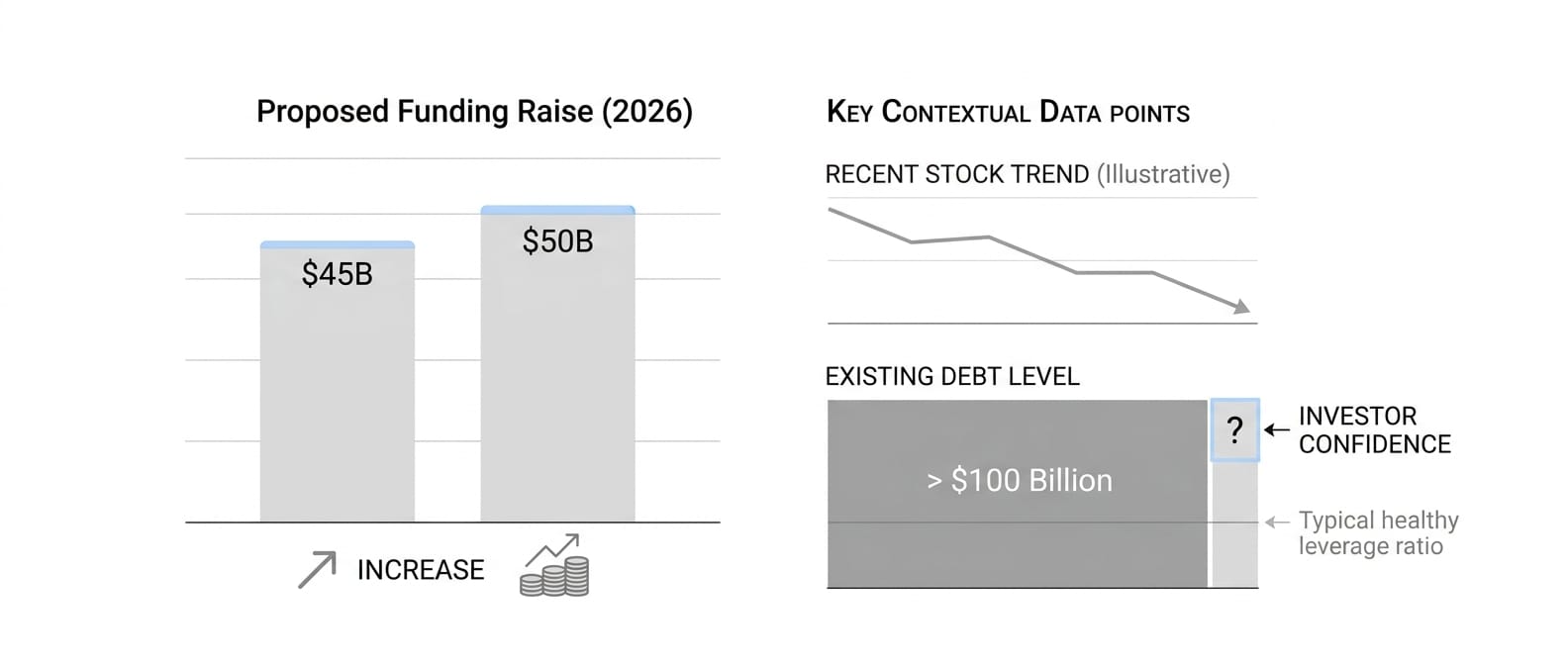
Oracle plans $45-50 billion in debt and equity raises in 2026 and is considering a Cerner sale, as the company faces significant strain from multiyear cloud commitments while success hinges on investor confidence amid recent stock declines and debt levels exceeding $100 billion.
AI Funding Surge Continues Record Pace
Two and a half weeks into March, the month has already produced more $100M+ AI funding rounds than any comparable period in venture history, with three structural shifts now defining the landscape.
Seventeen AI startups have raised over $100M in 2026 already, following what appears to be institutional doubling-down after proving AI's business case in 2025.
Tomorrow's Watch List
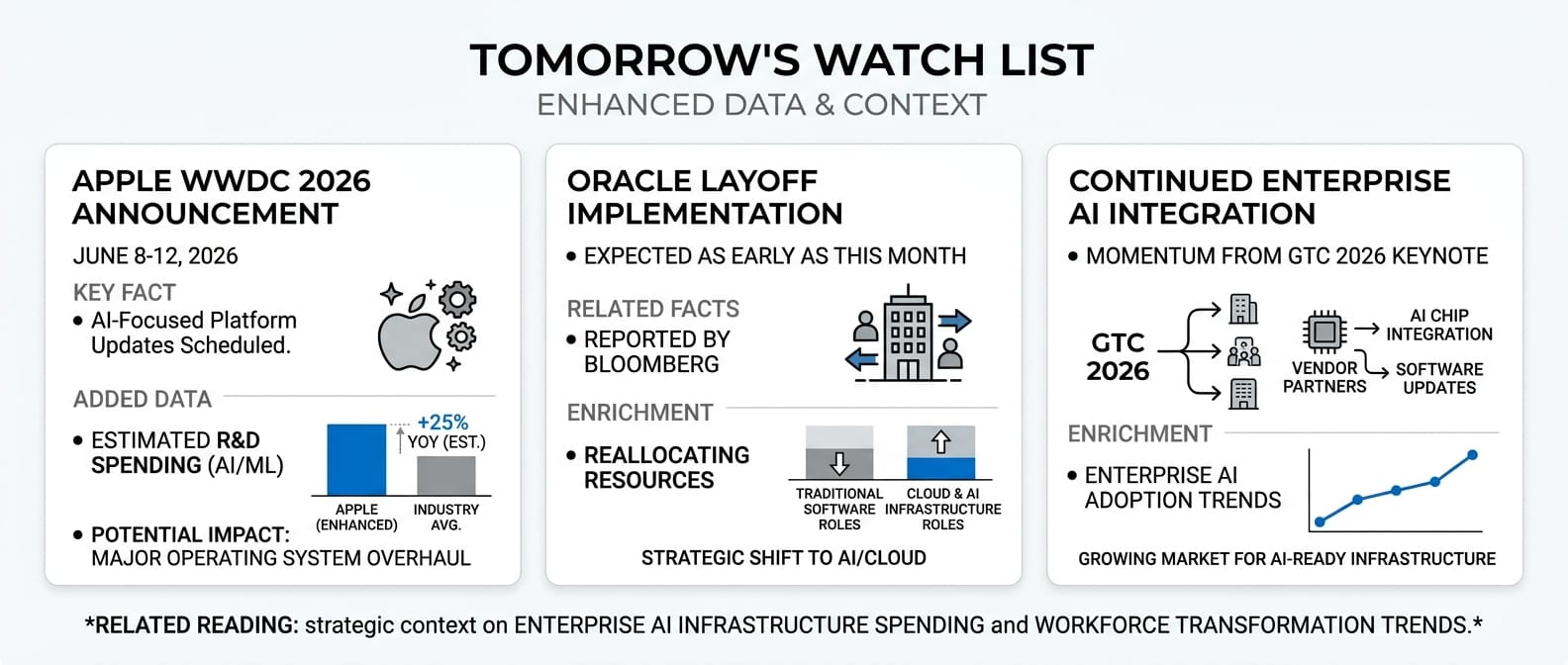
- Apple WWDC 2026 announcement scheduled for June 8-12 with AI-focused platform updates
- Oracle layoff implementation expected as early as this month according to Bloomberg reports
- Continued enterprise vendor AI integration announcements from GTC 2026 momentum
*Related reading: Check out this week's Deep Insights analysis for strategic context on enterprise AI infrastructure spending and workforce transformation trends.